Antananarivo Madagascar Travel Guide: Where to Stay & What to Do (2026)

Antananarivo — “Tana” to locals — is Madagascar’s chaotic, hilly capital and the gateway to the island’s lemurs, baobabs, and rainforests. Spend 2-3 days here before heading out: stay at the Novotel Convention & Spa, visit the Rova palace and Analakely Market, then fly or drive onward to Madagascar’s national parks.
Madagascar was my 101st country, and honestly it lived up to every bit of hype. This island nation — the world’s fourth-largest — sits off Africa’s southeast coast, and over 90% of its wildlife exists nowhere else on Earth. It really is a world apart.


As my plane descended into Antananarivo, I just stared out the window at the patchwork of green hills and terracotta-roofed houses. The drive from the airport into the city was a perfect introduction — kids playing soccer in fields, people tending bright green rice paddies, my driver blasting upbeat local music. I felt connected to the place before I’d even checked in.
Where to Stay in Antananarivo: Novotel Convention & Spa
I stayed at the Novotel Convention & Spa, a modern hotel near the city center that made a great base for exploring Tana. The lobby is bright and spacious, check-in came with a welcome drink, and the staff were genuinely warm. (I stay in a lot of hotels — like the colorful Matachica Resort in Belize — and this one held its own.)


The Rooms
My room had a big window overlooking Antananarivo’s skyline — I loved watching the city wake up each morning. The bed was plush, the bathroom well-appointed, and the suites come with a living area and work desk, which was great for getting work done between outings.


The Spa
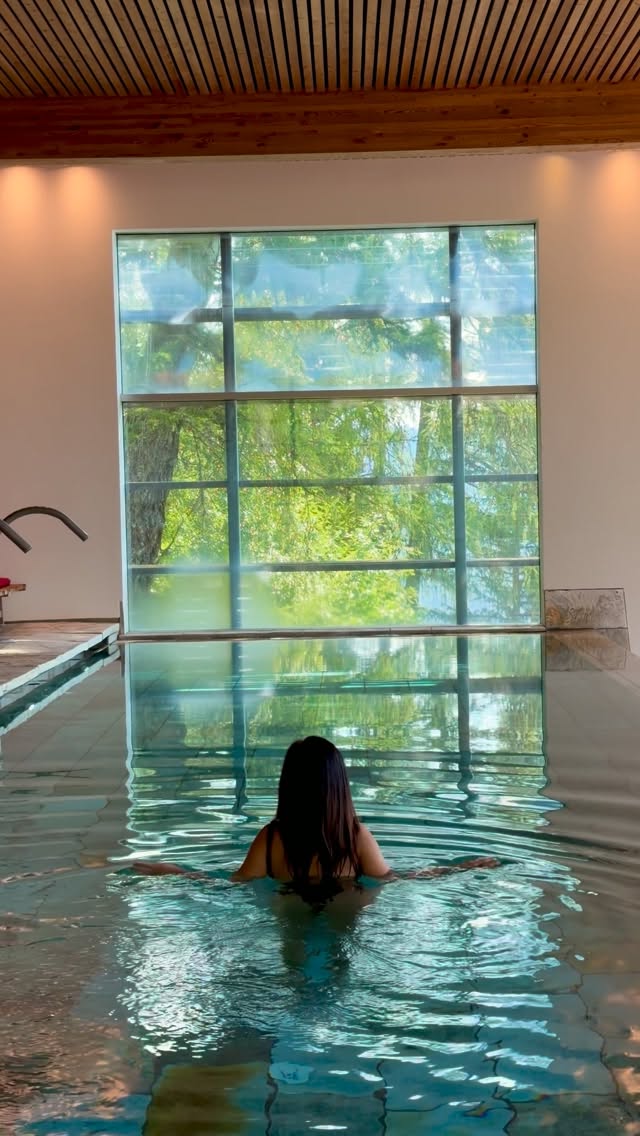
The spa was a highlight. After days of climbing Tana’s steep streets, the traditional Malagasy massage was exactly what I needed. There’s an indoor pool with ambient lighting, a sauna and steam room, plus an outdoor pool surrounded by loungers and greenery. I’ve ranked hotel pools around the world, and this setup was genuinely relaxing.


Coworking Spaces
As a remote worker, I appreciated the coworking area — fast wifi, comfortable workstations, and meeting rooms with modern AV equipment if you need them.


Dining
The main restaurant, Trio, mixes international dishes with Malagasy flavors, and the weekday business lunch had tons of options. Le Teppanyaki is the fun dinner pick — chefs cooking over open flames right in front of you. But the real gem is the rooftop skybar: panoramic views over Antananarivo, best at sunset. I went every evening.


Things to Do in Antananarivo
Rova of Antananarivo
The royal palace complex on the city’s highest hill — great for Madagascar’s royal history and panoramic city views. Get a guide; the history is fascinating. One thing I learned: there’s a local tradition where a boy’s circumcision is celebrated with a party, and the grandfather is honored by consuming the excised foreskin. Definitely not something you’d learn from a guidebook.
Analakely Market
The big bustling market — spices, handicrafts, and shockingly cheap secondhand jeans (I saw them for $1). Keep your phone and valuables tucked away; pickpocketing happens here.
Lemurs’ Park
Just outside the city, a conservation center with several lemur species. If you’re short on time and won’t make it to a national park, this is your lemur fix.
Ambohimanga
A UNESCO World Heritage site — a sacred hill with royal compounds and beautiful views, about an hour from the city.
Tsimbazaza Zoo
A decent spot to see native Malagasy wildlife, including lemurs, if you want a quick overview.


Beyond Antananarivo: Where to Go Next in Madagascar
After a few days in Tana, get out and see the island. Madagascar is huge with wildly different landscapes:
- Andasibe-Mantadia National Park — home of the indri, the largest lemur species. About a 4-hour drive from Tana, no flight needed.
- Avenue of the Baobabs — the iconic baobab-lined road, unreal at sunset. Fly 1 hour to Morondava.
- Isalo National Park — dramatic rock formations, canyons, and natural pools. Fly to Toliara (1 hour), then drive 4 hours.
- Nosy Be — the beach island off the northwest coast. 1-hour flight from Tana.
- Ranomafana National Park — rainforest with tons of lemur species. Fly to Fianarantsoa (1 hour), then drive 2 hours.
- Tsingy de Bemaraha — a UNESCO site of razor-sharp limestone formations. Fly to Morondava, then a full day’s drive.
Madagascar’s domestic airline operates most of these routes, but flights only run on certain days and fill up fast — book well in advance. They aren’t cheap either; some routes run over $300 one-way.


Best Time to Visit Madagascar
Dry season (April to October) is generally best — less rain, cooler temperatures, ideal for wildlife and hiking. July and August are peak tourist season. Wet season (November to March) brings lush landscapes and baby lemurs (born around October/November), but some areas flood and the east coast gets cyclones from January to March. The northwest, including Nosy Be, stays drier and works year-round.
Frequently Asked Questions
Is Antananarivo worth visiting?
Yes — give it 2-3 days. Tana is chaotic, hilly, and completely captivating, with the Rova palace, Analakely Market, and great food. Most visitors rush through, but the city deserves more than a layover before you head to the lemurs and baobabs.
Where should I stay in Antananarivo?
The Novotel Convention & Spa is a strong pick — modern rooms, a great spa with indoor and outdoor pools, coworking spaces, and a rooftop skybar with sunset views over the city. It’s well-located near the city center.
How many days do I need in Antananarivo?
Two to three full days covers the Rova, Analakely Market, Ambohimanga, and Lemurs’ Park at a comfortable pace. Add more if you want slow mornings — Tana rewards wandering.
Is Madagascar safe for tourists?
Exercise normal big-city caution in Antananarivo — pickpocketing happens in crowded spots like Analakely Market, so keep valuables out of sight. The Malagasy people I met were warm and welcoming. Check current government travel advisories before you go.
What is the best time of year to visit Madagascar?
April to October (dry season) is best for wildlife viewing and outdoor activities. November to March is wetter but lusher, with baby lemurs around October/November. Avoid the east coast from January to March due to cyclones.